



Electric overload: Expert advises on how to stay safe from electricity disasters this festive season
Black Friday has been and gone, and millions of Brits will be taking advantage of cheap deals on electrical appliances for themselves and their loved ones this Christmas.
But according to an electrical expert from MyBuilder.com, the reliable way to hire tradespeople, buying “bargain” unregulated products, or overloading your sockets with new appliances, can result in huge electrical hazards.
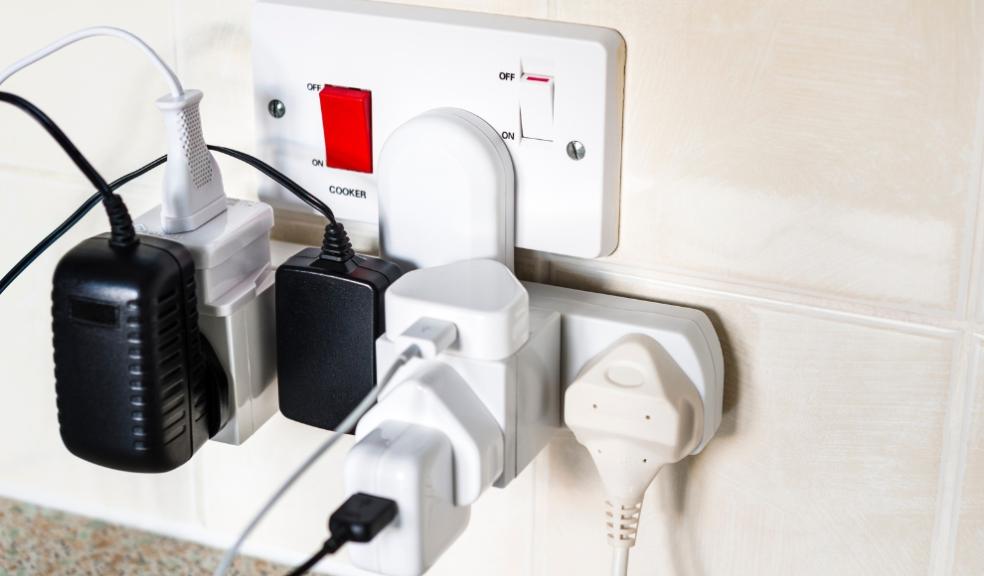
Electrical fires amount to a large proportion of accidents and damage in our homes over the Christmas period, and many of these issues could be prevented. The average UK socket can take up to 3000 watts, so it’s vital to make sure your sockets aren’t overloaded with powerful appliances. Commonplace items, such as kettles and toasters, are surprisingly powerful and could take you over this limit. And, while extension leads can be useful for plugging in extra items, some commonly-used appliances, such as an oven, have a wattage too high for usage.
Jonathan Steed, an expert electrician from MyBuilder.com, said that many people aren’t aware of how much power simple appliances can need - or even if they are safe to use.
“Electricity doesn’t have to be a hazard this festive season, just arm yourself with a bit of knowledge before powering up all your new appliances.
“Overloading sockets can be very dangerous, and some simple appliances, such as kettles and toasters, are surprisingly powerful and shouldn’t be powered by the same socket. Improper use of extension cords can also be a big problem, so make sure you fully roll them out, and check the wattage of the item you are plugging in. If they are too powerful, they can burn out extension leads and lead to fires in your home.
“Following some simple advice will help prevent any electrical fires or failures this festive season, and allow you to enjoy your new appliances and extra guests!”
The MyBuilder.com tips include:
Don’t order a super-cheap cable
Although it may be tempting to save a bit of money ordering a cheap cable, this can result in a poorer quality, unregulated product, and can cause damage as a result. Many cheap cables fall below the safety requirements of the Electrical Equipment (Safety) Regulations Act 2016, and their inability to connect as well as regular cables make them more likely to overheat if used for a long period of time, or even catch fire. To check if your charger meets regulations, check that there is at least 9.5 mm between the edge of the pins and the edge of the charger. If the distance is less, there is a risk of electric shock when plugging in and unplugging the charger from a socket. Also, check for any manufacturer’s brand name or logo, or a CE mark.
Don’t overload your sockets
Christmas often involves extra guests in your home, and with them comes extra appliances. Be careful not to overload sockets by plugging in two appliances that need high levels of power. Most regular twin plug sockets can only take a maximum of 3000 watts combined, and using two appliances which require more than this can lead to burn out. Some appliances require a surprising amount of power - such as toasters and microwaves - so check the wattage before plugging in.
Use extension cords correctly
Extension leads are intended to allow you to increase the number of appliances you can plug in at one time, but they’re not always safe. The average UK socket can take about 3000 watts, so check the stats on your appliances to make sure they aren’t overloading. They’re also not suitable for large appliances, such as fridges or ovens, as the wattage for these items is too high.
Don’t use water near wires
This may seem obvious, but many people put lights on a real Christmas tree that then needs watering. As a result, the potential for water spills or leaks from your Christmas tree is high, which can be dangerous if in contact with electricity, potentially causing electrocutions, shocks, or even fires. Always switch lights off when watering your tree, check there are no leaks around trailing wires, and mop up any spillages.
Use different cords for exterior connections
Many UK households hang Christmas lights outside, and it’s important that you use the right cord, at the right length. Always use the smallest length possible as if it’s too long, power may not be able to run effectively. For Christmas lights, it’s recommended that you pick a 16-gauge extension cord for lights that are 25 feet or less, or go with a heavier duty 14-gauge cord if they’re over 25 feet. It’s also advisable to fully unravel extension cords or excess power cords to prevent overheating.
Unplug when not in use
As simple as this sounds, make sure to switch off and unplug your Christmas light when not in use, especially overnight. When left in for too long, Christmas tree lights can overheat and occasionally start fires. Research shows that only 60 per cent of Brits are turning off their holiday lights overnight or when they're not home.
Use the right extension leads
While outdoor extension leads are useful if you need to further extend your power supply, it’s vital that you use the right ones. Make sure to use heavy-duty waterproof leads, as they can withstand moisture, and are less likely to cause electric shocks. Alternatively, waterproof enclosures for existing extension leads are another effective option.
Check your fuse box and call for help if needed
Too many appliances plugged in can cause an electrical circuit overload. Signs of this include: lights dimming when you switch something else on, buzzing or warm sockets, tripping of fuse switches, and burning smells or discoloured marks on sockets. To fix this, unplug everything, turn off the lights, turn your fuse box/circuit breaker back on before plugging everything back in. If this hasn’t worked, call a tradesperson for help. If your consumer unit is older it might not have RCDs, which are essential safety devices that protect people from electric shock and prevent electrical fire. If that's the case, it may be time to consider an upgrade.