



The death of the 'white box': Why you should turn your bathroom into a sanctuary in 2026
If the kitchen is the heart of the home, the bathroom has traditionally been its engine room, a place of function, efficiency, and brilliant white sterility. But in a world that feels increasingly loud and digitally demanding, our priorities are shifting. The sharp lines and cold surfaces that once defined modern hygiene are being softened. In 2026, we aren't just renovating for cleanliness; we are renovating for calm.
For decades, the "perfect" bathroom followed a predictable script: high-gloss white tiles, chrome taps, and bright, clinical lighting. It was functional, clean, and frankly cold. It was a space designed efficiently for washing, but rarely for dwelling.
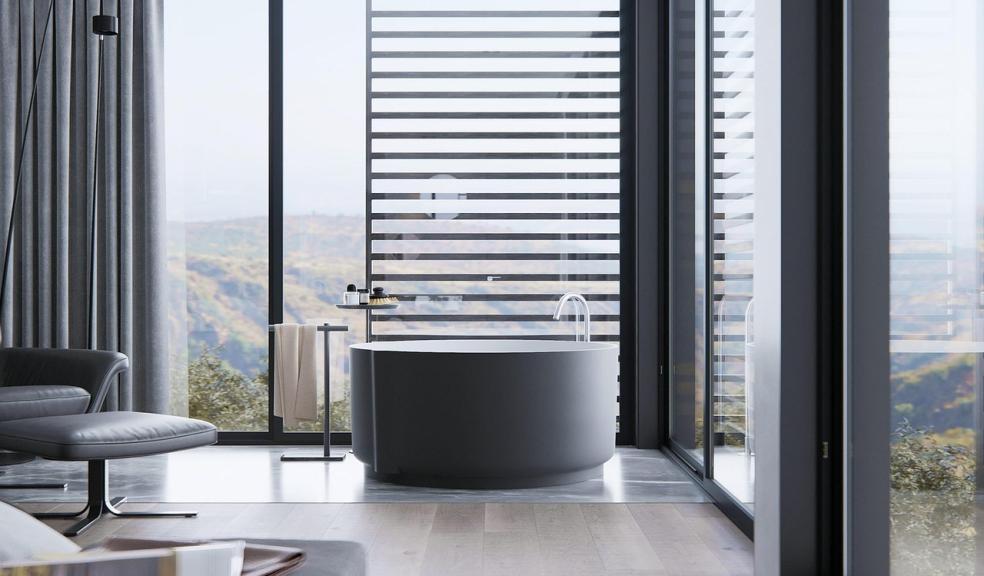
But as we settle into 2026, a significant shift is happening in how we design our most private spaces. The era of the clinical "white box" is over. In its place, the "Spa-throom" (Spa-Bathroom) trend has taken hold, driven by a collective desire for mental wellness and a "cocooning" effect at home. The modern bathroom is no longer just a utility area; it has become a retreat from the digital noise of the outside world.
The shift to texture and warmth
"We’ve seen a complete U-turn in client requests over the last 12 months," says founder of Kae’s Tiling - Bathroom Renovation Dublin. "People are no longer asking for 'bright and shiny.' They want 'calm and grounded.' We’re installing textured slate, warm Travertine-effect porcelain, and matte finishes that feel soft to the touch. It’s about engaging the senses, not just being waterproof."
This sensory shift is key. Where gloss reflects light and feels hard, matte and textured surfaces absorb light, creating a softer, more intimate atmosphere. It changes the acoustics and the mood of the room instantly.
Biophilic design
Bringing the Outdoors In This new aesthetic aligns with global design forecasts for 2026, which emphasize "Biophilic Design": the concept of connecting indoor spaces with the natural world. Homeowners are ripping out bulky, plastic shower trays in favor of seamless wet rooms with wood-effect flooring and earthy colour palettes like terracotta, sage, and sand.
It is about mimicking the calming imperfections of nature. The sharp, man-made lines of the past are being softened by organic curves and natural tones that are proven to lower cortisol levels and promote relaxation.
Luxury is quiet
The trend also leans heavily towards "Quiet Luxury", high-quality materials that don't shout. Think fluted wall tiles that play with light and shadow, adding depth without clutter, or brushed brass fixtures that patina gracefully over time rather than staying permanently polished.
"It’s actually a more technical way to build," Constantin notes. "When you remove the clutter of shower trays and enclosures to create that open, spa-like flow, the waterproofing (tanking) has to be military-grade. You’re effectively turning the room into a swimming pool. But the result is a space where you can genuinely decompress after a stressful week."
In 2026, the bathroom has evolved. It is no longer just a place to brush your teeth; it is the new living room;l a private sanctuary where warmth, not whiteness, is the ultimate luxury.