




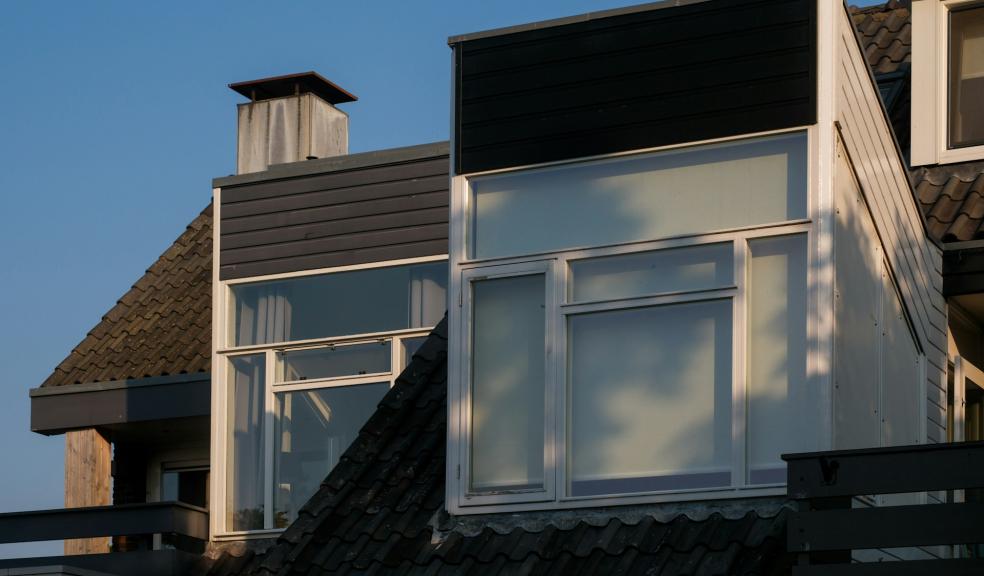
What to Check Before Buying a Property with a Flat Roof
Flat roofs cover extensions, garages, porches, and bay windows on millions of homes across the UK. Most buyers focus on kitchens, bathrooms, and kerb appeal during viewings, but the condition of a flat roof can make or break a purchase. A failing flat roof leads to water damage, costly repairs, and insurance headaches that often don't surface until after completion.
Knowing what to look for before you commit saves thousands in unexpected bills. This guide covers the key checks every buyer should make when viewing a property with a flat roof, what different roof materials tell you about remaining lifespan, and how to factor replacement costs into your offer.
Why Flat Roofs Deserve Extra Scrutiny
Flat roofs have shorter lifespans than pitched roofs. A standard tiled pitched roof lasts 50 to 80 years with minimal maintenance. Flat roofs, depending on material, last between 15 and 50 years. The difference matters because a flat roof approaching end of life represents a significant cost that buyers often underestimate.
Standard RICS home surveys assess flat roofs visually from ground level. Surveyors note visible defects and flag concerns, but they don't climb onto the roof or carry out detailed inspections of the membrane, flashings, or drainage. Problems like trapped moisture beneath the membrane, early-stage delamination, or hidden ponding at the centre of the roof frequently go undetected in a Level 2 survey. The RICS consumer guide to home surveys explains the limitations of each survey level and what each report covers.
Mortgage lenders sometimes flag flat roofs as a condition of lending, particularly on older felt roofs. Some lenders require evidence that the flat roof has been replaced or repaired within a specified timeframe before they'll approve a mortgage. Discovering this after your offer has been accepted wastes time and money.
What to Look for During a Viewing
Flat roof problems leave visible clues that buyers can spot during a viewing without specialist equipment. Checking these items takes five minutes and can reveal issues worth thousands.
Water stains on ceilings directly below flat roof areas indicate past or ongoing leaks. Freshly painted ceilings in rooms beneath flat roofs should raise questions. Sellers sometimes repaint to conceal staining, so look for subtle discolouration or texture differences in the plaster.
From outside, check for visible sagging or dipping in the flat roof surface. Flat roofs should have a slight fall towards drainage outlets to prevent water pooling. A roof that appears completely level, or worse, dips in the centre, will hold standing water after rainfall. Persistent ponding accelerates membrane deterioration and eventually causes leaks.
Look at the edges and upstands where the flat roof meets walls. Cracking, gaps, or deteriorating sealant at these junctions are common failure points. Flashing that has pulled away from brickwork allows water behind the membrane, causing damage that isn't visible from above.
Blistering and bubbling on the roof surface signals moisture trapped beneath the covering. Blistered roofs have usually reached end of life and won't respond well to patch repairs. Multiple visible patches across the surface suggest the roof has been repaired repeatedly, which often means full replacement is overdue.
How Long Do Different Flat Roof Materials Last?
Identifying the material on a flat roof gives you a rough idea of its remaining lifespan. Each material has distinct characteristics that are fairly easy to recognise.
Traditional felt flat roofs have a dark grey or black surface that looks and feels like thick roofing paper. Felt roofs are the most common covering on UK extensions built before 2010. A felt flat roof typically lasts 15 to 20 years, so any felt roof on a property built or extended more than 15 years ago may be nearing the point where replacement becomes necessary.
EPDM rubber roofs have a smooth, matt black finish with very few (if any) visible seams. EPDM has been the most popular choice for residential flat roofs over the past decade and carries a lifespan of 30 to 50 years. Properties with EPDM roofs installed within the last 10 to 15 years are unlikely to need roof work for decades.
GRP fibreglass roofs have a smooth, slightly glossy surface and are often finished in a grey or anthracite colour. GRP roofs feel rigid underfoot and have no visible seams. GRP flat roofs last 25 to 40 years and are particularly common on balconies, dormer roofs, and newer extensions.
If you can't identify the material, ask the seller or their estate agent when the flat roof was last replaced and what material was used. Sellers should be able to provide this information, and any reluctance to answer is itself a warning sign.
What Flat Roof Replacement Could Cost You
Replacement costs vary significantly depending on roof size and material choice. Buyers who understand these figures can factor them into their offer or negotiate a price reduction if the survey reveals problems.
A small flat roof on a porch or bay window (5 to 8 square metres) typically costs £800 to £1,500 to replace. A garage flat roof (around 15 square metres) runs £1,200 to £2,400. The most common project, a kitchen or rear extension flat roof of 20 to 25 square metres, costs £1,800 to £3,500 depending on the material specified.
EPDM rubber offers the best value for most residential flat roofs, combining a moderate upfront cost of £50 to £90 per square metre with the longest lifespan. GRP fibreglass costs more at £80 to £130 per square metre but handles foot traffic better and suits balconies and complex roof shapes. A detailed breakdown of current pricing by material, roof size, and project type is available in this flat roof replacement cost guide, which covers the full range of variables affecting quotes in 2026.
These costs don't include scaffolding (£300 to £600 per week for two-storey access), insulation upgrades required under building regulations when more than 50% of the roof is replaced, or structural repairs to rotted decking. The total bill for a flat roof replacement with complications can exceed initial material and labour estimates by 30% to 50%.
Should You Get a Specialist Roof Survey?
For properties where the flat roof covers a significant portion of the building, a specialist roof inspection before exchange is a worthwhile investment. General surveyors assess roofs as one component among many. Specialist roofers assess membrane condition, drainage falls, insulation adequacy, and remaining lifespan with far greater accuracy.
A specialist flat roof inspection typically costs £150 to £400 depending on roof size and access requirements. The report covers membrane condition, edge details, drainage performance, and an estimate of remaining serviceable life. For properties in London, experienced flat roofing contractors such as Bernard Andrews Roofing can carry out pre-purchase roof assessments that go well beyond what a standard survey covers, including thermal imaging to detect trapped moisture invisible to the naked eye.
The cost of a specialist inspection is small relative to the potential savings. A report confirming the roof has 20 years of life remaining provides peace of mind. A report identifying problems gives you evidence to renegotiate the purchase price or request that the seller carries out repairs before completion.
Negotiating on Price If the Flat Roof Needs Work
Survey findings that identify flat roof problems give buyers legitimate grounds to renegotiate. The key is presenting the issue with clear cost evidence rather than vague concerns.
Obtain two to three written quotes for the recommended work before going back to the seller. Quotes from NFRC-registered contractors carry credibility because the National Federation of Roofing Contractors sets recognised industry standards for flat roofing work. Presenting quotes alongside survey findings demonstrates the cost is real and evidenced, not speculative.
Three negotiation approaches work well in practice. The simplest is requesting a price reduction equal to the average of your quotes. Alternatively, you can ask the seller to carry out the work before completion, though this gives you less control over materials and contractor choice. A third option is agreeing a retention, where a portion of the purchase price is held by the solicitor until the buyer completes the roof work post-purchase. Retentions are less common in residential transactions but can work when both parties want the sale to proceed.
Walking away remains an option if the roof problems are severe and the seller won't negotiate. A flat roof replacement costing £3,000 to £5,000 is manageable for most buyers if the price reflects the work needed. Structural damage from years of water ingress, however, can push repair costs far higher and may indicate broader maintenance issues with the property.
Key Takeaways for Buyers
Flat roofs are not inherently problematic. Modern EPDM and GRP systems last decades and perform reliably with minimal maintenance. The risk for buyers lies in older felt roofs approaching end of life, roofs that have been poorly maintained, and properties where previous repairs have been cosmetic rather than structural.
Spending five minutes checking for water stains, ponding, and visible membrane damage during viewings filters out the worst problems early. Commissioning a specialist roof survey before exchange catches everything else. Armed with accurate information about the roof's condition and replacement costs, buyers can make confident decisions about whether to proceed, negotiate, or walk away.