




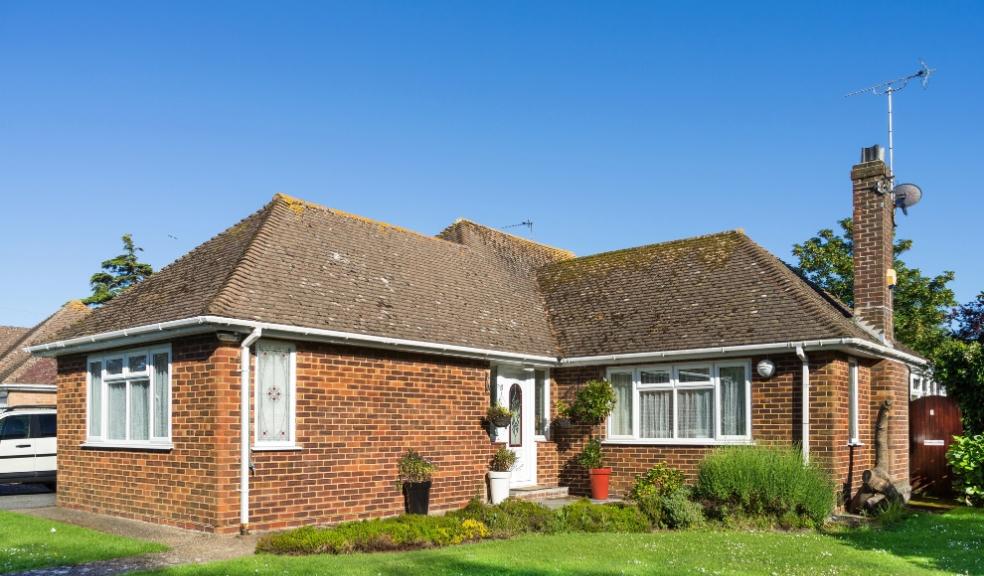
Are bungalows a bad idea for older people's housing
Op-ed/interview pitch by Mike Lord, CEO and Chairman of Stiltz Homelifts
Bungalows have long been a staple of retirement living. A single-storey property can be easier to maintain and there are usually no stairs. The large gardens also allow people to spend their free time nurturing plants and communing with nature. All this encourages downsizing from the family home.
But Mike Lord, mobility industry expert and CEO of Stiltz Homelifts, says that our love for bungalows must end. In a new white paper, Elevating Housing: Why the Future of UK Homes Must Look Beyond the Staircase, Stiltz calls for the government and local authorities to help people to continue to live in their two-storey homes and for any new builds to be adaptable for accessibility from the outset.
The Home Owners Alliance recently called for more bungalows to be built to meet demand. Some 38% of homeowners aged 55+ would like a bungalow for their next move, but they made up 11% of new homes in 1990 and only 1% in 2024. Mike, however, would strongly argue the opposite.
He points out that bungalows take up much more land than standard two-storey properties, which is a big disadvantage when suitable available building land is in limited supply across much of the UK. They also take older people away from the homes and communities they may have lived in for decades, and where they provide a vital social contribution. The resulting isolation can lead to health and mental issues, putting often avoidable strain on state and NHS resources.
He also rejects, for similar reasons, new calls by housing-with-care operators, MPs and peers for the government to bring forward a national development management policy to establish more housing developments specifically for older people. By not creating "older persons only" neighbourhoods, a diverse age range of residents will be able to co-exist within their communities.
Mike is happy to write an op-ed or be interviewed on this subject. He can cover points including:
- The housing crisis for older, less mobile people is a ticking time bomb. In 2022, there were around 12.7 million people in the UK aged 65 or over. By 2072, that figure will be 22.1 million people. Building more bungalows or special retirement developments will only scratch the surface of demand.
- Authorities and families must do everything they can to help older people remain in their homes, including adding accessibility features such as handrails, homelifts and wetrooms.
- The 1.5 million homes the government plans to build must facilitate people ageing in place, including wide halls for wheelchair-access, level doorways and space for lifts to be installed.
- Local councils must adopt and enforce building regulations that ensure all new homes are adaptable and designed with vertical mobility in mind.
- Developers should receive incentives to build accessible, multi-storey homes.
- Moving to a bungalow or retirement complex in a new area could damage mental wellbeing. Forced relocation in later life has been shown to increase rates of depression, anxiety, and a loss of identity. The Stiltz white paper reports that 13% of over-50s feel moving would negatively affect their mental health.
- Adaptable housing saves the NHS money. For every £1 invested in preventative housing adaptations, such as handrails, lifts, or walk-in showers, to prevent falls, it saves the NHS and other government care agencies £1.62.
- The shortage of bungalows is forcing people towards getting into debt by going into residential homes early. According to the UK Seniors Housing Report 2024, there will be a shortfall of up to 46,000 retirement and seniors housing units within five years.