




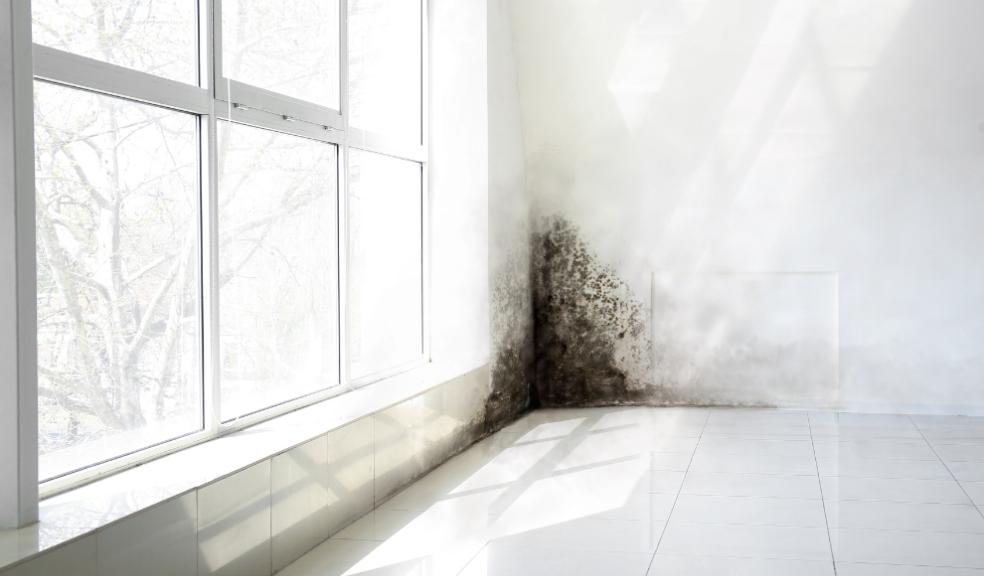
Simple German trick can keep mould out of your home this winter
Cold and damp weather isn’t just miserable for us Brits - it’s tricky for our homes too. This time of year is prime for an explosion in mould in our properties, which can potentially lead to health issues if not treated.
According to data from MyBuilder.com, the reliable way to hire tradespeople, many Brits are facing an increasing struggle to keep mould out of their homes. In fact, one in four said the problem has been getting worse in their properties.
However, a traditional German habit can provide the answer to the most common cause of mould in the home - condensation and poor ventilation. Once it has taken hold, it can be extremely difficult to get rid of - and it’s not just unsightly. Damp can produce allergens, irritants, mould spores and other toxins that are harmful to health.
The German technique called “Stoßlüften” (which literally translates as “shock ventilation”) involves incorporating a very simple habit into your day. All you need to do is open your windows, at least once a day, for at least five minutes. Ideally, you’d do this twice or more - and whatever the weather! The recommendation is that the windows are left open for between 5-10 minutes a time in winter, up to 15 minutes in spring and autumn, and 30 minutes a time in summer. Doing so improves ventilation and air quality in our homes, keeping mould at bay, but also in improving our health and general wellbeing.
For those who want to make the biggest impact, you can also add an extra technique to your routine. “Querlüften” involves opening windows and doors on opposite sides of your home, and leaving the internal doors between rooms open, creating cross ventilation. This can not only prevent condensation, but increase the air quality and therefore health of those living in the house.
While this may sound like a crazy - and perhaps chilly - hack, an expert from MyHammer, MyBuilder.com's sister company based in Germany, says Stoßlüften is widely used in Germany.
“This is part of everyday life for millions of people in Germany. It’s vital to allow fresh air into our homes - airing your house regularly not only helps prevent condensation, and therefore mould, but is also reported to bring many health benefits. Millions of households in Germany use this method - it's free, beneficial to your home and health - so why not give it a try?"
Andy Simms, a property maintenance expert from MyBuilder.com, said that it’s proven that better ventilation is the key to keeping most cases of damp and mould out of our homes.
“It’s no secret that bad ventilation equals condensation, damp, and therefore mould. But it’s not always the cause, so while Stoßlüften and Querlüften are effective ways to aid ventilation, it’s important to check your mould issue isn’t caused by more than just bad ventilation. You might need a professional to come in and solve the problem.
“Some people may question how this method might negatively impact energy efficiency - but actually, it can help. Stoßlüften is actually considered more energy efficient than trickle ventilation - it's a quick exchange of air which isn't long enough for the walls to cool down, therefore heat loss is minimal as heat is retained in the building structure. Trickle vents can cause a steady loss of heat and can increase energy consumption. And releasing moisture from your home can actually help the heating process as dry air heats more efficiently than humid air
“And for some, leaving your windows open in winter weather might sound unappealing! If that’s you, we’ve put together some alternative tips to help you deal with mould in your home - but if it’s more than condensation that’s the issue, get the specialists in."
How to deal with mould - without the cold!
Check your whole house
Mould can hide in and behind furniture - so check every room, especially those areas with high humidity, a lack of air flow, or areas that are likely to have any water damage. It’s also important to check your ceilings where the roofline is, and around the bottom of walls on ground floors. To effectively get rid of mould, you have to find and treat each area affected.
Identify the problem
If you find mould, the next step is to find the cause. Mould can be caused by a number of factors including lack of ventilation, a leak, condensation, structural issues such as a bridge in cavity walls, blocked gutters, a breach in a damp proof course, or poor temperature control. Treating it without understanding the source is a waste of time, effort and money. If you aren’t sure where the problem stems from, it’s a good idea to consult a professional.
If it’s condensation that’s causing the problems, try these tips:
Ventilation
There are a number of methods to improve the ventilation in your home including trickle vents in windows, extractor fans and airing the house regularly. Simply opening the windows while cooking or showering can make a massive difference. Dehumidifiers can also be very helpful to control excess moisture and are cheap to run.
Don’t dry clothes inside
It’s tempting to chuck damp clothes on radiators to speed up the drying process, but this is a major contributor to condensation. Recent research suggested that a single load can release as much as two pints of water into the air in our home. Try to dry clothes outside when possible, or use a heated dryer or a dehumidifier in a designated dry area.
Keep it constant
Experts advise that the temperature of a room should be as constant as possible to avoid mould growth. Fluctuating temperatures can actually cause the problem to be exacerbated. Try and keep your room temperature to at least 16C and 18C at all times.
Remove the mould
To do this, first ensure the affected area is dry. Then use mould killer or mould spray to remove the mould. Ensure you have the correct protective equipment including gloves and ideally a face mask and ventilate the room when removing the mould..
Anti mould paint
Once the mould has been removed, you could use anti mould paint to treat the affected area. This will add a layer of protection to help ensure the mould does not return.